Can Smoking Cause Loose Teeth and Gum Disease?
Most people think about lung and heart damage when they hear about smoking. Your mouth is the first place tobacco smoke touches, though. If you have noticed bleeding gums, a tooth that feels slightly shaky, or a bite that feels different, it may be time to search for a trusted teeth doctor near me and get a proper dental checkup. Smoking can damage the gums and the bone that hold your teeth in place, often without obvious pain.
The short answer is yes. Smoking is one of the strongest risk factors for gum disease and tooth loss. The damage often progresses silently, and by the time it becomes visible, treatments such as crowns, implants, or Dentures in Navi Mumbai may be needed. Understanding the link early gives you the best chance to protect your natural teeth.
How Smoking Affects Your Teeth and Gums
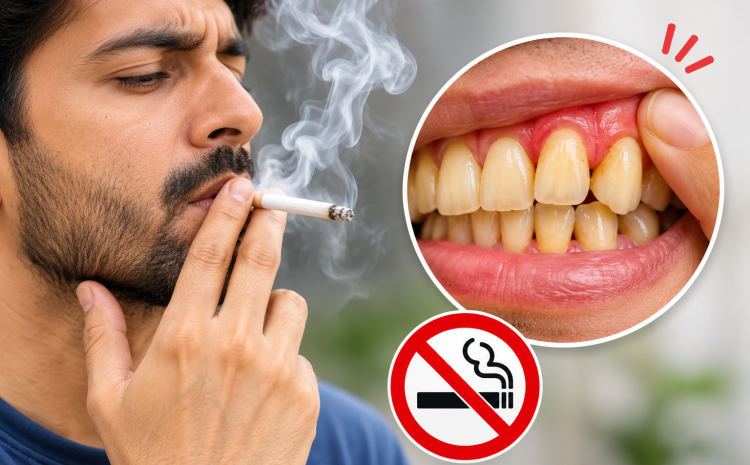
Cigarettes contain tobacco, nicotine, and tar, along with thousands of other chemicals. These substances irritate gum tissue, reduce blood flow, and weaken the body’s ability to fight bacterial infection. Plaque and tartar build up faster in smokers, and the gums struggle to respond.
Common warning signs include:
- Persistent bad breath
- Receding gums
- Yellow or brown stains on teeth
- Gum swelling or tenderness
- Teeth that feel loose or look longer than before
- Changes in how your teeth fit together
Common Ways Smoking Harms Your Oral Health
1. Irritation and Bone Loss from Tobacco, Nicotine, and Tar
Tobacco, nicotine, and tar irritate the gums and the tissues around the teeth. Over time, this irritation breaks down the jawbone that anchors each tooth. Healthy bone is like soil around the roots of a tree. When the soil erodes, the tree loses its grip.
2. Teeth Become Loose Over Time
As bone loss continues, teeth lose their support. Even teeth with no cavities can become loose because the foundation underneath them is weakening. This is why smokers can lose teeth that look otherwise healthy. Once a tooth becomes mobile due to bone loss, saving it becomes much more difficult.
3. Warning Signs Are Hidden
This is the most dangerous part. Smoking restricts blood flow to the gums, so signs of inflammation such as redness, swelling, and bleeding are masked. A smoker’s gums may look pink and healthy while disease is advancing underneath. With no early warning signs, a person may feel fine until one day a tooth becomes loose or falls out. This is why smokers should not wait for symptoms before seeing a dentist.
4. Slow Healing After Dental Treatment
Smokers heal more slowly after gum treatment, deep cleaning, and surgical procedures. Reduced blood supply means tissues take longer to recover and are more prone to infection. Extraction sites also heal slowly in smokers, which raises the risk of pain, delayed recovery, and complications such as dry socket.
5. Dental Implants Are Not Advised for Smokers
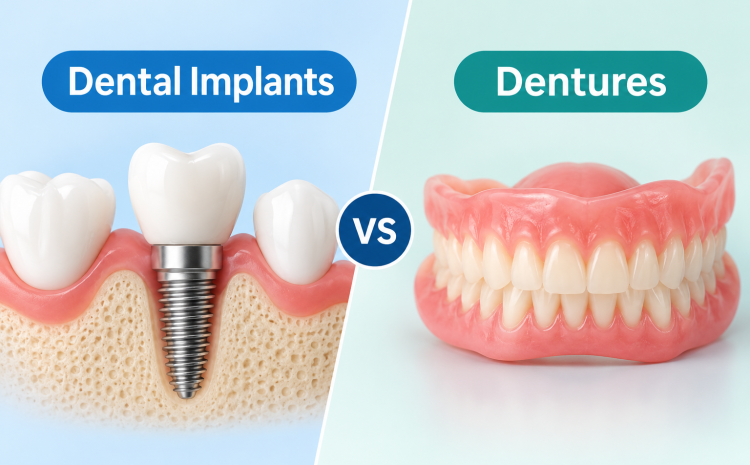
Dental implants depend on healthy bone and good healing to fuse with the jaw. Because smoking impairs both, implants are generally not recommended for active smokers, as the risk of failure is much higher. Smokers who lose teeth may need to consider other options, such as dentures, after a detailed evaluation. Dentures in Navi Mumbai can restore chewing function and appearance when implants are not suitable.
What You Can Do to Protect Your Teeth
Quit the Habit
Habit cessation is the single most effective step. Stopping tobacco slows further bone loss, improves gum health, and helps your body respond better to dental treatment. It is never too late to benefit, and your dentist can support you with guidance and a realistic plan.
Never Skip Regular Checkups
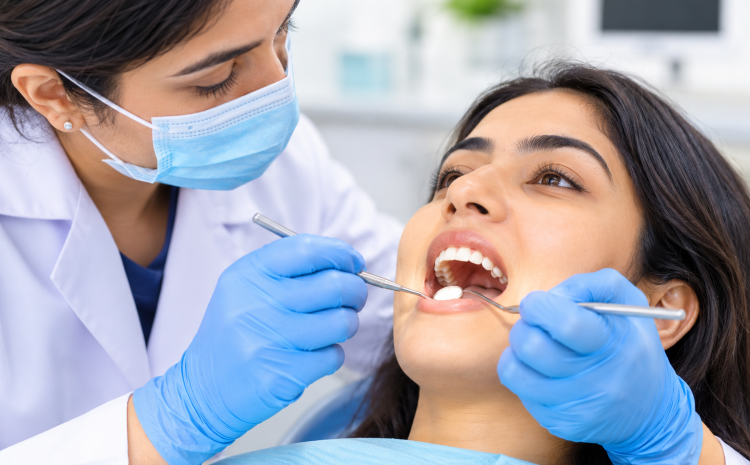
Since smoking hides the early signs of disease, regular dental checkups are essential. A dentist can measure gum pockets, check for tooth mobility, and use dental imaging to detect bone loss before it becomes severe. Professional cleaning every six months, or more often if advised, helps remove the tartar that brushing cannot reach.
Follow a Good Home Care Routine
Brush twice a day with a soft brush and fluoride toothpaste, clean between your teeth daily, and drink plenty of water. These habits support your gums, but they cannot replace professional care.
When Should You See a Dentist?
Book an appointment if you notice:
- Bleeding or swollen gums
- Loose or shifting teeth
- Receding gums
- Persistent bad breath or a bad taste
- Pus around the gums
- Pain while chewing
- A white or red patch inside the mouth that does not heal
Smokers should also see a dentist for routine screening even without symptoms, as oral cancer is another serious risk.
Doctor’s Advice
Smoking does not only stain your teeth. It silently weakens the bone and gums that keep them in place. Because the usual warning signs are hidden, regular examinations matter more for smokers than for anyone else. If you are looking for a reliable teeth doctor near me, choose a clinic that offers thorough gum evaluation, dental imaging, and honest treatment planning. Early care can save natural teeth and prevent complicated procedures later.
Final Thoughts
Yes, smoking can cause loose teeth and gum disease. Tobacco, nicotine, and tar irritate the gums and destroy supporting bone, and the lack of early warning signs allows the damage to continue unnoticed. Slow healing after treatment and the unsuitability of implants make the consequences even harder to manage.
The good news is that quitting, combined with regular checkups and professional care, can significantly improve your outlook. If you have noticed any change in your gums or teeth, visit a qualified teeth doctor near me at Dr Ganesh Bhandari’s clinic without delay. A timely examination today can protect your smile for years to come.
Frequently Asked question
Yes. Smoking causes gum disease and bone loss around the teeth. As the supporting bone weakens, teeth become loose and may eventually fall out, even if they have no cavities.
Nicotine reduces blood flow to the gums, which masks signs of inflammation such as redness and bleeding. The disease can progress silently until a tooth becomes loose.
It depends on how much bone has been lost. Quitting and getting professional gum treatment can stop further damage and may improve stability in mild cases. Teeth with severe bone loss may still need advanced treatment.
Implants are generally not advised for active smokers because smoking slows healing and raises the risk of implant failure. Your dentist will assess your condition and suggest suitable alternatives such as dentures.
Smokers should usually visit every three to six months, depending on their gum health. Frequent checkups help detect bone loss, gum disease, and oral cancer at an early stage.