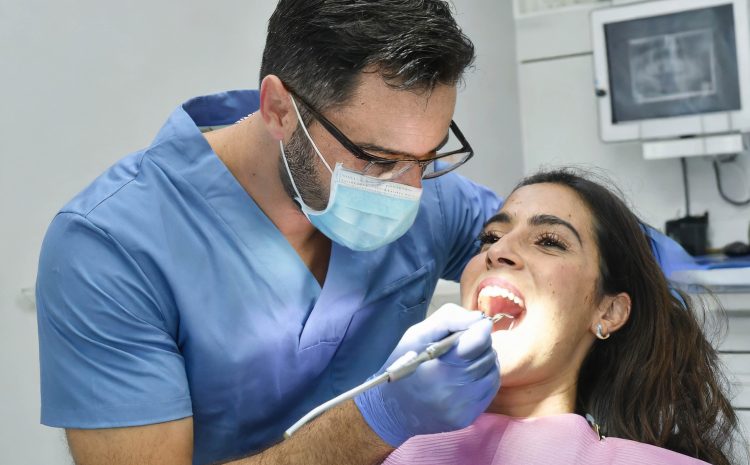

What Is a Dental Crown? Types, Benefits and Procedure Explained
If you have ever been told you need a crown after a root canal, or you have a tooth that feels weak, cracked, or discolored, you are probably wondering what a dental crown actually does and whether it is the right choice for you. As a trusted name for Dental Problem Solution in Kharghar, Dr Ganesh Bhandari and the team at DGB Dental Clinic regularly guide patients through this exact decision, and this guide breaks it down in simple terms.
What Is a Dental Crown?
A dental crown is a custom made cap that covers a tooth completely, all around, in a full 360 degree fit. Think of it as a protective shell that sits over your natural tooth, restoring its shape, size, strength, and appearance. Once cemented in place, a well made crown looks, feels, and functions just like a natural tooth.
Crowns are one of the most reliable restorative treatments in modern dentistry, and choosing the right type, along with an experienced dentist, makes all the difference in how long it lasts and how natural it looks.
Why You Might Need a Crown
A crown is not just a cosmetic fix. It is usually recommended when the tooth structure itself needs support or protection. Common situations include teeth that need reinforcement after a root canal treatment, since the tooth becomes more brittle once the nerve is removed. Teeth with large old fillings that have weakened the remaining structure also benefit from a crown, as does a tooth with micro fractures that could worsen over time if left uncovered.
Crowns are also used for teeth that are visibly discolored and need shade correction, and they play a major role in full mouth rehabilitation and smile reconstruction procedures where multiple teeth need to work together in harmony.
Types of Dental Crowns
Choosing the right material depends on your budget, the location of the tooth, and your aesthetic expectations. At DGB Dental Clinic, patients are usually guided through two main categories.
Metal and Gold Crowns
Metal and gold crowns are the traditional option and have been used in dentistry for decades. They are known for their strength and durability, particularly for molars that handle heavy chewing forces.
PFM Crowns (Porcelain Fused to Metal)
A PFM crown has a metal coping as its base, which is then layered with ceramic on top to give it a tooth like appearance. It is a budget friendly option, which makes it popular among patients looking for a cost effective solution. However, there are a few trade offs to keep in mind. Its strength is comparatively less than Zirconia, and the finish can look slightly opaque rather than fully natural. Over time, the ceramic layer can chip with wear. PFM crowns are also not MRI safe due to the metal content, and in some cases, they can cast a faint metal shadow around the gum line, especially as the gums recede slightly with age.
Zirconia Crowns
Zirconia crowns are made from zirconium oxide crystal and are fabricated using advanced CAD CAM technology for a precise fit. One of the biggest advantages of Zirconia is the wide range of shade matching options available, allowing the crown to blend naturally with surrounding teeth. Zirconia crowns are more durable, do not leave any metal shadow around the gums, and are fully MRI safe, making them a safer long term choice for many patients. Depending on your needs, you can choose between monolithic, layered, and translucent Zirconia options, each offering a different balance of strength and natural translucency.
The Crown Procedure, Step by Step
Getting a crown is a straightforward process when handled by an experienced dentist. First, the affected tooth is shaped according to the type of crown chosen, and clean margins are created around the tooth to ensure a precise fit. Next, accurate measurements of the prepared tooth are taken, either through digital scans or traditional analog impressions.
These measurements are then sent to a dental lab, where skilled technicians fabricate the crown to match your exact bite and shade requirements. Once ready, the crown is delivered back to the clinic, checked carefully for fit and comfort, and finally fitted and cemented onto your tooth.
Caring for Your Crown After Treatment
A crown is a durable restoration, but a little care goes a long way in making it last. It is best to avoid biting into very hard foods such as hard candy, nuts, chikki, or hard naan, since excessive force can chip or damage the crown over time. Sticky foods like chocolates and chewing gum should also be avoided, as they can pull at the edges of the crown or loosen the cement seal.
Regular dental checkups remain essential even after your crown is placed, allowing your dentist to monitor the fit, the surrounding gum health, and the overall condition of the restoration.
Final Thoughts
A dental crown is one of the most effective ways to protect a weakened tooth, correct its appearance, and restore full chewing function. Whether you choose a PFM crown for its budget friendly appeal or a Zirconia crown for its strength and natural look, the right choice depends on your specific dental needs and long term goals.
If you are searching for a reliable Dental Problem Solution in Kharghar, Dr Ganesh Bhandari and the team at DGB Dental Clinic are here to guide you through every step, from diagnosis to the final fitting of your crown, with care and precision.
Frequently Asked question
A dental crown is a cap that covers a damaged, weak, or discolored tooth completely, all around in a 360 degree fit. It restores the tooth’s strength, shape, and natural appearance, allowing it to function normally again.
Both have their place. PFM crowns are budget friendly but come with a metal base, which means they are not MRI safe and can occasionally show a faint shadow near the gums. Zirconia crowns are more durable, offer better shade matching, are metal free, and are fully MRI safe, making them a preferred choice for patients seeking a more natural and long term solution.
The tooth is numbed before shaping, so the procedure itself is generally comfortable. Some mild sensitivity after the appointment is normal and usually settles within a few days.
With proper care, including regular checkups and avoiding very hard or sticky foods, a crown can last many years. Zirconia crowns in particular are known for their durability.
It is best to stay away from very hard foods such as hard candy, nuts, chikki, and hard naan, as well as sticky foods like chocolates and chewing gum, since these can loosen or damage the crown over time.