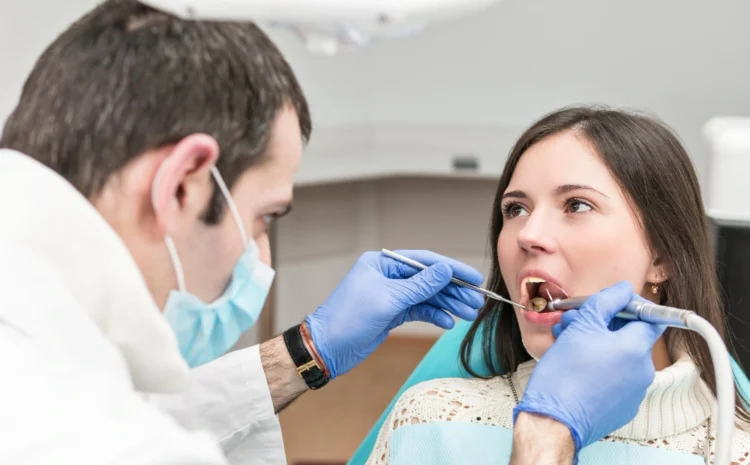

Common Mistakes That Damage Dental Crowns: Dr. Ganesh Bhandari
Dental crowns are one of the most effective and widely used dental restorations to protect damaged teeth, restore function, and improve aesthetics. While crowns are designed to be strong and long-lasting, many patients unknowingly make mistakes that can shorten their lifespan or cause damage.
Understanding the common mistakes that damage dental crowns can help you protect your investment, maintain oral health, and avoid unnecessary dental complications. This comprehensive guide explains what dental crowns are, the materials used, and the everyday habits that may harm them, along with expert tips to keep your crown healthy for years.
What Is a Dental Crown?
A dental crown is a custom-made cap placed over a damaged, weakened, or treated tooth. It fully covers the visible portion of the tooth above the gum line, restoring its shape, size, strength, and appearance.
Dental crowns are commonly recommended in situations such as:
- After root canal treatment
- For teeth with large fillings
- To protect cracked or worn-down teeth
- To improve the appearance of misshapen or discolored teeth
- As part of a dental bridge or implant restoration
Although crowns are durable, they are not indestructible. Certain habits and care mistakes can lead to crown loosening, cracking, or failure.
Types of Dental Crown Materials
Choosing the right crown material plays a key role in durability and aesthetics. Commonly used dental crown materials include:
Crown Material | Key Features | Best Used For |
Porcelain Fused to Metal (PFM) | Natural appearance, good strength | Front and back teeth |
Zirconia Crowns | Extremely strong, long-lasting, aesthetic | High biting force areas |
Metal Alloy Crowns | Very durable, resistant to wear | Back molars |
Gold Alloy Crowns | Biocompatible, long lifespan | Molars requiring maximum strength |
Each material has specific care requirements. Ignoring these can lead to avoidable damage.
Common Mistakes That Damage Dental Crowns
1. Eating Sticky Foods That Can Dislodge Crowns
One of the most frequent mistakes that damage dental crowns is consuming sticky foods. Items such as chewing gum, caramel, toffees, and sticky sweets can pull at the crown and loosen the cement holding it in place.
Why this is risky:
- Sticky foods exert upward force on the crown
- Over time, this can cause crown dislodgement
- Loosened crowns can trap bacteria underneath
Tip: Avoid sticky foods completely, especially in the first few weeks after crown placement.
2. Eating Excessively Hard Foods
Hard foods pose a serious risk, particularly for ceramic or porcelain-based crowns.
Foods to avoid include:
- Whole nuts
- Chikki
- Hard candies
- Ice cubes
Excessive force from biting hard foods can:
- Crack ceramic crowns
- Damage zirconia under extreme pressure
- Cause tooth fracture, especially if the tooth is root canal treated
Root canal–treated teeth are more brittle, and excessive pressure can fracture both the crown and the underlying tooth.
3. Poor Oral Hygiene Around the Crown
Many patients believe crowns cannot decay, which leads to neglect. While the crown itself does not decay, the natural tooth underneath still can.
Poor hygiene can result in:
- Gum disease around the crown margins
- Decay at the crown-tooth junction
- Bad breath and infection
Good oral hygiene is essential, including:
- Brushing twice daily
- Using fluoride toothpaste
- Cleaning around the crown margins carefully
Neglecting hygiene is one of the most underestimated mistakes that damage dental crowns.
4. Skipping Regular Flossing
Flossing is critical for crown longevity. Without flossing:
- Plaque accumulates at the gum line
- Food particles get trapped between teeth
- Gum inflammation weakens crown support
Use gentle flossing techniques or interdental brushes to clean around crowned teeth without damaging them.
5. Avoiding Regular Dental Check-Ups
Many crown-related problems start small and worsen over time. Skipping routine dental visits can allow:
- Cement breakdown to go unnoticed
- Hairline cracks to progress
- Gum recession around the crown
Regular dental check-ups help:
- Identify early signs of crown wear
- Ensure proper bite alignment
- Maintain gum health
Preventive care is far easier and more cost-effective than crown replacement.
6. Ignoring the Need for Periodic Crown Replacement
Dental crowns do not last forever. Depending on the material and care, crowns typically last 10–15 years.
Delaying replacement can lead to:
- Crown leakage
- Secondary decay
- Structural failure
Periodic evaluation ensures crowns are replaced before complications occur, preserving the underlying tooth.
7. Teeth Grinding or Clenching (Bruxism)
Uncontrolled grinding puts excessive pressure on crowns, increasing the risk of:
- Fracture
- Chipping
- Crown loosening
Patients with bruxism should use a custom night guard to protect both natural teeth and crowns.
Signs Your Dental Crown May Be Damaged
Watch out for these warning signs:
- Pain while chewing
- Sensitivity near the crown
- Visible cracks or chips
- Crown feels loose or uneven
- Swollen or bleeding gums around the crown
Early detection can prevent complete crown failure.
How to Protect Your Dental Crown Long-Term
Follow these expert tips to avoid the most common mistakes that damage dental crowns:
- Avoid sticky and excessively hard foods
- Maintain excellent oral hygiene
- Floss daily around crowned teeth
- Attend regular dental check-ups
- Replace crowns periodically when advised
- Use protective appliances if you grind your teeth
Final Thoughts
Dental crowns are a reliable and effective solution for restoring damaged teeth, but their longevity depends largely on patient care. By avoiding the common mistakes that damage dental crowns, you can significantly extend their lifespan and maintain optimal oral health.
Good eating habits, proper hygiene, and routine dental visits are simple yet powerful steps toward protecting your smile. With the right care, dental crowns can function comfortably and look natural for many years.