Why Does My Jaw Hurt While Chewing Food?
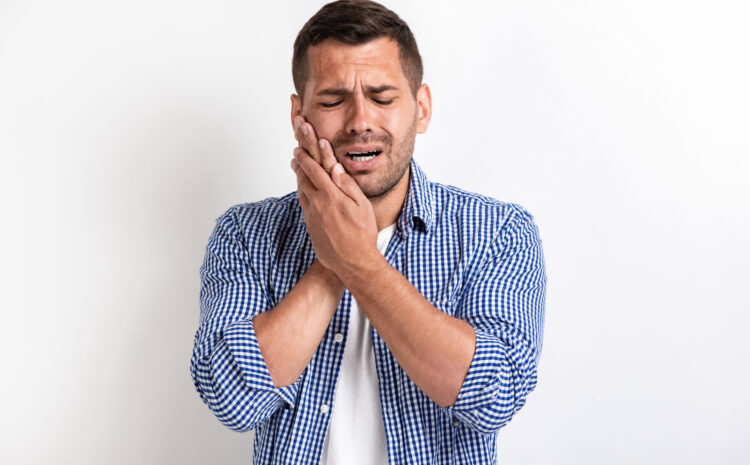
Jaw pain while chewing is something many people ignore until it starts interfering with everyday life. Whether you’re biting into an apple, chewing chapati, or enjoying your favorite meal, pain in the jaw can make eating uncomfortable and frustrating. While occasional soreness may not always be serious, persistent pain often indicates an underlying dental or jaw-related condition that requires professional attention.
If you are looking for a Dental Problem Solution in Kharghar, understanding the possible causes of jaw pain can help you seek timely treatment and prevent long-term complications.
Understanding Jaw Pain While Chewing
Chewing is a coordinated process involving your teeth, jaw joints (temporomandibular joints), facial muscles, gums, and bite alignment. When any of these structures are affected, chewing can become painful or difficult.
Some people experience a dull ache, while others notice sharp pain, clicking sounds, stiffness, or difficulty in opening and closing the mouth. The severity depends on the underlying cause.
Ignoring jaw pain can lead to worsening symptoms, difficulty in eating, poor nutrition, and additional stress on your teeth and jaw joints.
Common Causes of Jaw Pain While Chewing
Temporomandibular Joint (TMJ) Disorders
One of the most common reasons for jaw pain while chewing is a problem with the temporomandibular joint, commonly known as the TMJ. These joints connect the lower jaw to the skull and allow smooth movement during speaking, chewing, and yawning.
When the joint becomes inflamed or misaligned, patients may experience pain while chewing, jaw stiffness, clicking sounds, headaches, or difficulty in opening the mouth fully. Stress, teeth grinding, arthritis, and bite problems are common contributing factors.
Teeth Grinding and Clenching
Many people unknowingly grind or clench their teeth, especially during sleep. Over time, this habit places excessive pressure on the jaw muscles and joints, leading to soreness and pain during chewing.
Patients often wake up with jaw stiffness, headaches, or worn-down teeth. Early diagnosis can help prevent permanent damage to the teeth and jaw.
Tooth Decay or Dental Infection
A severely decayed tooth or dental abscess can cause pain whenever pressure is applied during chewing. The discomfort may initially feel localized to one tooth but can eventually spread to the surrounding jaw.
If left untreated, infections may worsen and require more extensive dental procedures.
Missing Teeth and Bite Problems
Missing teeth can significantly alter the way your upper and lower teeth come together. As the remaining teeth shift, chewing forces become uneven, placing extra stress on the jaw muscles and joints.
Similarly, an improper bite or malocclusion can create continuous strain during chewing, eventually causing jaw discomfort and muscle fatigue.
Worn or Damaged Teeth
Years of chewing, teeth grinding, or enamel erosion can wear down the chewing surfaces of the teeth. Worn teeth reduce chewing efficiency and change bite alignment, increasing pressure on the jaw joints.
Restorative treatments such as dental crowns may be recommended to restore normal function.
Gum Disease
Advanced gum disease weakens the supporting tissues around the teeth, making chewing uncomfortable. Loose teeth caused by periodontal disease may also contribute to jaw pain while eating.
Treating gum disease early helps preserve both oral health and chewing function.
Symptoms That Should Not Be Ignored
Jaw pain is often accompanied by other symptoms that indicate a dental evaluation is necessary.
These may include:
- Pain while chewing or biting food
- Jaw clicking or popping sounds
- Difficulty in opening or closing the mouth
- Facial muscle tenderness
- Frequent headaches
- Ear pain without an ear infection
- Swelling around the jaw
- Loose or sensitive teeth
- Pain that worsens over time
Persistent symptoms should never be ignored, as early treatment often prevents more complex dental problems.
How Dentists Diagnose Jaw Pain
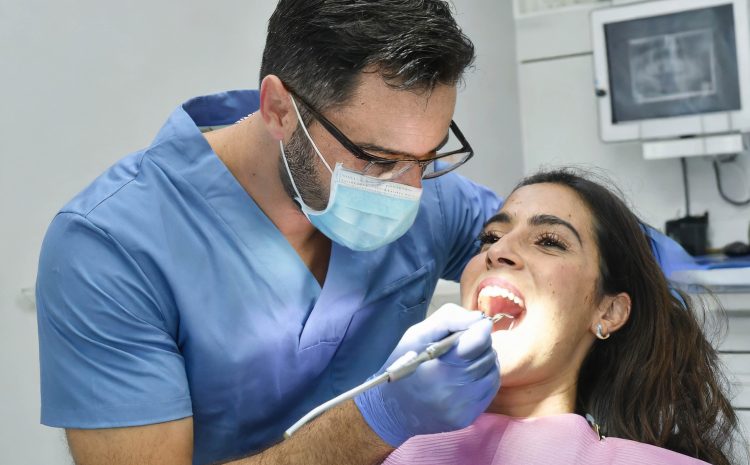
Finding the exact cause of jaw pain requires a comprehensive dental examination. Your dentist will assess your teeth, gums, jaw joints, facial muscles, and bite alignment.
Diagnostic X-rays or digital imaging may be recommended to identify infections, impacted teeth, joint abnormalities, or bone-related issues.
An accurate diagnosis allows your dentist to develop a personalized treatment plan based on the underlying problem rather than simply treating the symptoms.
Treatment Options for Jaw Pain While Chewing
Treatment depends entirely on the cause of the discomfort.
For TMJ disorders, treatment may include bite correction, physiotherapy, lifestyle modifications, stress management, or custom night guards for patients who grind their teeth.
If tooth decay or infection is responsible, procedures such as fillings, root canal treatment, or tooth extraction may be necessary.
Patients with worn teeth may benefit from dental crowns that restore the natural shape and chewing function of the teeth.
When missing teeth contribute to bite imbalance, dental implants, bridges, or dentures can restore proper chewing mechanics and reduce stress on the jaw.
In more complex cases involving multiple dental problems, comprehensive full-mouth rehabilitation may be recommended to restore healthy function, bite balance, and long-term comfort.
Can Jaw Pain Be Prevented?
Many cases of jaw pain can be prevented through good oral hygiene and regular dental check-ups. Maintaining healthy teeth and gums reduces the risk of infections and tooth loss that can affect chewing.
Avoiding habits such as chewing ice, biting hard objects, or clenching your teeth can also protect the jaw joints. Managing stress, wearing a night guard if recommended, and replacing missing teeth promptly all contribute to long-term jaw health.
When Should You Visit a Dentist?
You should schedule a dental consultation if you experience:
- Jaw pain lasting more than a few days
- Pain while chewing every meal
- Difficulty in opening or closing your mouth
- Clicking or locking of the jaw
- Swelling around the jaw or face
- Tooth pain accompanied by chewing discomfort
- Broken, loose, or missing teeth
- Frequent headaches related to jaw movement
Early diagnosis often leads to simpler, more effective treatment and helps prevent permanent damage.
Doctor’s Advice
Jaw pain while chewing is your body’s way of signaling that something isn’t functioning properly. Whether the cause is a TMJ disorder, tooth decay, worn teeth, bite misalignment, or missing teeth, timely dental care can prevent the condition from worsening.
If you’re searching for a reliable Dental Problem Solution in Kharghar, consulting an experienced dentist at the first sign of persistent jaw pain can help restore comfortable chewing, protect your oral health, and improve your overall quality of life.
Final Thoughts
Jaw pain while chewing should never be considered normal. Although the discomfort may begin gradually, it can significantly affect eating habits, nutrition, speech, and daily comfort if left untreated.
The good news is that modern dentistry offers effective solutions for nearly every cause of jaw pain. From treating infections and correcting bite problems to restoring damaged teeth and replacing missing ones, personalized dental care can help you regain pain-free chewing and a healthier smile.
Seeking professional treatment early not only relieves discomfort but also prevents more serious complications in the future.
Frequently Asked question
Pain that occurs only while chewing is commonly caused by TMJ disorders, tooth infections, bite problems, worn teeth, or gum disease. A dental examination can determine the exact cause.
Yes. Stress often leads to teeth grinding and jaw clenching, which place excessive pressure on the jaw joints and muscles, resulting in pain while chewing.
No. Jaw pain can also originate from the temporomandibular joints, facial muscles, arthritis, or sinus-related conditions. A proper evaluation helps identify the source.
Treatment depends on the cause and may include dental fillings, root canal treatment, crowns, bite correction, night guards, dental implants, or TMJ therapy.
If your jaw pain lasts for several days, worsens while chewing, causes difficulty in opening your mouth, or is associated with swelling, clicking, or tooth pain, you should seek professional dental care as soon as possible.