Teeth Cleaning vs Teeth Whitening: What’s Better for Stains?
Introduction
One of the most common questions patients ask during consultation is whether they should choose teeth cleaning or teeth whitening to remove stains. While both treatments can improve the appearance of your smile, they are not the same procedure and they serve very different purposes. Understanding the difference is important before deciding which option is right for you.
In clinical practice, many patients seeking Teeth Cleaning in Navi Mumbai assume that cleaning will make their teeth several shades whiter. Others think whitening can remove tartar or plaque. Both are misconceptions. The right treatment depends on the type of stains you have, your oral health condition, and the results you expect.
What is Teeth Cleaning?
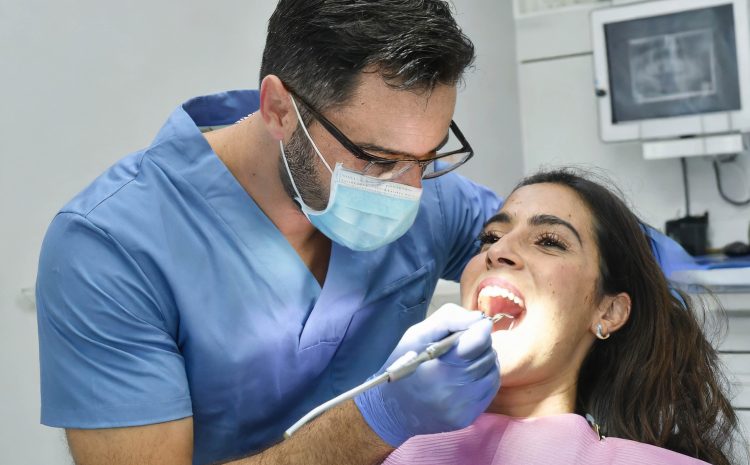
Teeth cleaning is a preventive and therapeutic dental procedure focused on removing plaque, tartar, and external stains from the surface of teeth. It is done using ultrasonic vibrations and specialized instruments that physically dislodge hardened deposits and polish the teeth.
Teeth cleaning is effective for removing:
- Surface stains caused by tea, coffee, smoking, or certain foods
- Plaque buildup that brushing cannot fully remove
- Tartar deposits lodged near the gums
- Mild yellowing caused by external staining
After cleaning, teeth often look fresher, smoother, and brighter. However, it is important to understand that cleaning does not change the natural internal shade of your teeth. It restores your teeth to their cleaner natural appearance rather than making them artificially whiter.
Key Difference Between Cleaning and Whitening
|
Feature |
Teeth Cleaning |
Teeth Whitening |
|
Type |
Physical cleaning |
Chemical bleaching |
|
Works on |
External stains |
Internal discoloration |
|
Result |
Cleaner teeth |
Whiter teeth |
|
Purpose |
Oral hygiene |
Cosmetic improvement |
What is Teeth Whitening?
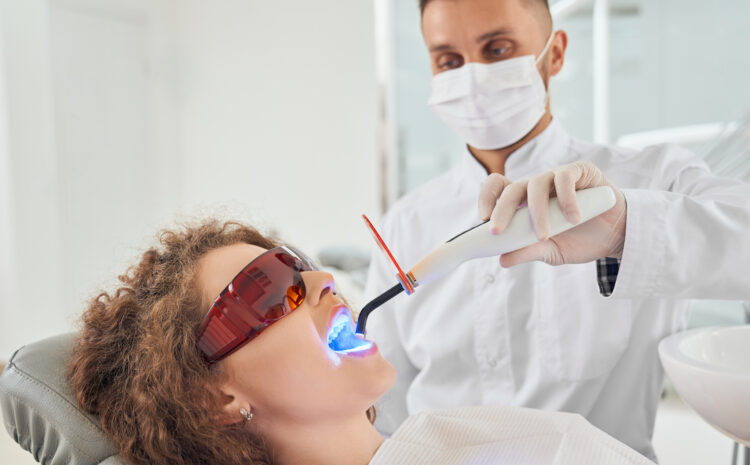
Teeth whitening is a cosmetic procedure that works differently. Instead of physically removing deposits, whitening uses chemical bleaching agents that penetrate the tooth structure and oxidize stain molecules. This process lightens the internal shade of the tooth.
Teeth whitening is often recommended for:
- Deep intrinsic stains inside the tooth
- Tetracycline-related discoloration
- Fluorosis stains
- Internal tooth resporption
- Teeth that appear dull or naturally darker
Unlike cleaning, whitening targets discoloration that cannot be removed by scaling or polishing. This is why patients with internal stains often see far better results from whitening than from routine cleaning alone.
Key Difference Between Teeth Cleaning and Whitening
The biggest difference lies in what each treatment treats.
Teeth Cleaning:
- Physical cleaning procedure
- Removes plaque, tartar, and external stains
- Focuses on oral health and hygiene
- Restores cleanliness, not tooth shade
Teeth Whitening:
- Chemical bleaching procedure
- Lightens internal tooth discoloration
- Focuses on cosmetic improvement
- Changes the shade of the teeth
This distinction is crucial when choosing the right treatment.
When is Teeth Cleaning the Better Option?
Based on clinical experience, teeth cleaning may be the better choice when:
- You have visible tartar or plaque buildup
- Your stains are caused by coffee, tea, or smoking
- Your gums bleed due to poor oral hygiene
- You have not had professional cleaning in a long time
- You want to improve oral health before cosmetic treatment
For many patients, Teeth Cleaning in Navi Mumbai is often the ideal starting point because it addresses both hygiene concerns and surface-level staining.
When is Teeth Whitening More Effective?
Teeth whitening may be more suitable when:
- Your teeth look dull despite being clean
- The discoloration is inside the tooth structure
- You have fluorosis or tetracycline stains
- You want a noticeably brighter smile
- You are preparing for an important event and want cosmetic enhancement
In these situations, whitening often delivers results that cleaning alone cannot achieve.
Can You Need Both Treatments?
Yes, in many cases, both treatments may be needed.
This is common when patients have both external deposits and deeper discoloration. In such cases, cleaning is often performed first to remove plaque, tartar, and surface stains. Once the teeth are clean, whitening may be done to improve the internal shade.
This approach often provides better results because whitening works more effectively on a clean tooth surface.
Whether both treatments are necessary depends on:
- The type of stains present
- Your dental health condition
- Your cosmetic expectations
- The shade improvement you want to achieve
What I Often Advise Patients
From a professional standpoint, I usually advise patients not to choose based on trend or assumption. The first step is always identifying whether the stains are external or internal.
If the issue is plaque, tartar, or surface staining, cleaning is usually sufficient.
If discoloration lies within the tooth, whitening may be the better option.
In many consultations for Teeth Cleaning in Navi Mumbai, patients initially request whitening but actually benefit from professional cleaning first. Once the teeth are evaluated after cleaning, we can determine if whitening is truly needed.
Final Thoughts
Teeth cleaning and teeth whitening are not alternatives to each other they solve different problems.
Choose teeth cleaning if your goal is:
- Better oral hygiene
- Removal of plaque and tartar
- Elimination of external stains
Choose teeth whitening if your goal is:
- A brighter smile
- Correction of internal discoloration
- Cosmetic enhancement
And in some cases, you may benefit from both.
The right decision should always be based on proper diagnosis, not guesswork. A dental consultation helps identify the type of stains you have and the treatment likely to give you the best results.
Disclaimer:
This article is written and reviewed by Dr. Ganesh Bhandari to ensure medical accuracy. Always consult your dentist for personalized advice.